
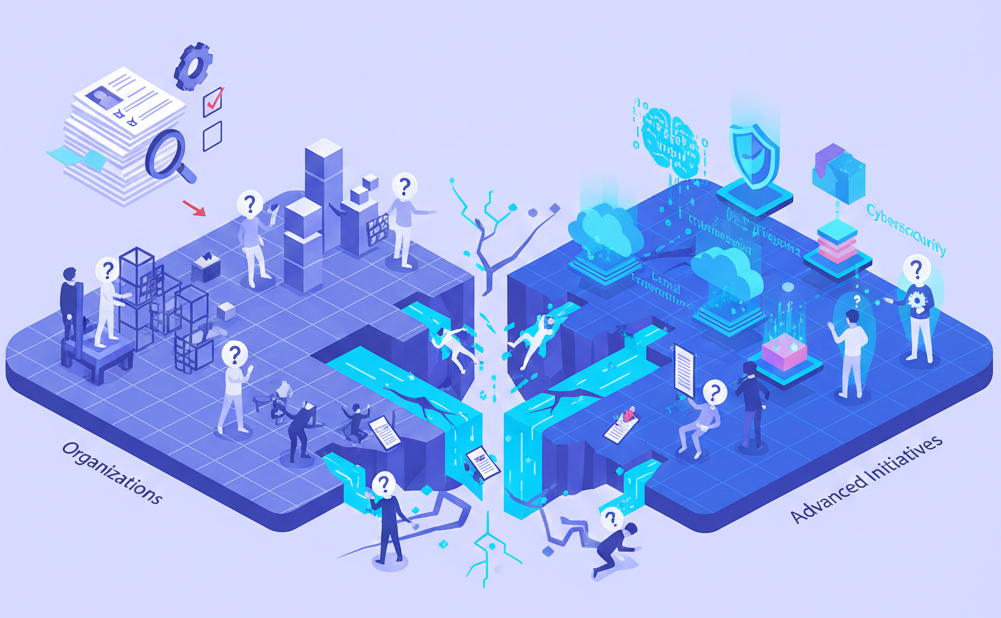
The technology sector is advancing at a pace that traditional recruitment models were never built to handle. As emerging fields like AI, cybersecurity, robotics, and cloud engineering reshape industries, the expectations placed on technical teams have grown exponentially. Yet many organizations continue depending on hiring practices designed decades ago, long before the complexities of modern digital transformation existed. This misalignment has created a persistent gap: companies know what kind of technical capability they need, but their recruitment systems are not capable of identifying it reliably.
The Knowledge Gap in Traditional Recruitment
One of the most significant weaknesses of traditional recruitment lies in its limited understanding of how real technical capability is built, evaluated, and demonstrated. Standard screening processes focus on keywords, CV structure, and surface-level job titles. Recruiters may be experienced in general talent sourcing, but often lack hands-on exposure to the technologies they are evaluating. Without understanding how software is architected, how AI models are deployed, or how cybersecurity threats are mitigated, decision-makers cannot accurately distinguish between genuine expertise and well-crafted profiles.
This creates a hiring environment where strong candidates are frequently overlooked, while individuals with polished CVs but limited depth advance in the process. In sectors where technical decisions affect security, customer experience, and long-term scalability, this disconnect has real business consequences. Organizations increasingly find that a single misaligned hire can delay projects, introduce operational risk, or weaken the foundations of future growth.

The Limits of Transactional Hiring
Another structural challenge is the transactional nature of traditional recruitment. Standard hiring models prioritize speed, volume, and short-term placements. Recruiters are incentivized to fill positions rather than secure long-term capability, leading to a cycle where candidates are matched quickly but not necessarily effectively. As the complexity of technology continues to evolve, this approach becomes even more problematic.
Companies frequently experience the hidden costs of transactional hiring: extended onboarding times, misalignment with engineering teams, elevated team friction, and repeated replacement cycles when a candidate fails to perform at the level required. For organizations undergoing digital transformation, each failed hire slows momentum, increases budget consumption, and impacts delivery timelines. What initially looks like an efficient recruitment process often becomes the source of deeper operational inefficiencies.
Why Tech Requires a Consultancy-Driven Model
The demands of the tech sector call for a fundamentally different approach – one rooted in advisory, practitioner-led evaluation, and long-term capability building. Technical specialists must be assessed by individuals who understand real delivery environments, system dependencies, architectural considerations, and the practical pressures that define modern IT work. Only a consultancy-driven model is equipped to do this consistently.
A contemporary approach to capability building must incorporate the following elements:
- Practitioner-led evaluation to validate real technical depth
- Cultural alignment with engineering teams and delivery environments
- Problem-solving ability demonstrated through practical assessment
- Adaptability to emerging technologies and shifting industry standards
- Contextual understanding of how systems scale and interact in production
This model moves beyond keyword matching and focuses instead on genuine performance indicators that predict success in complex technical environments.
Realignment, Not Replacement
Traditional recruitment is not inherently flawed; it is simply misaligned with what modern technology demands. The core issue is that administrative hiring models cannot keep pace with the depth, nuance, and rapid evolution of technical work. As organizations scale digital initiatives, expand into AI-driven operations, and modernize their technology stacks, the cost of misaligned talent grows significantly.
This is why companies leading in digital transformation increasingly view capability building as a strategic function rather than a transactional one. By shifting toward consultancy-based evaluation, where technical insight guides talent decisions, organizations secure individuals who deliver real impact rather than simply filling a vacancy.
Conclusion
In today’s technology landscape, recruitment is no longer about filling roles quickly. It is about securing performance, reducing risk, and ensuring that teams have the capability to deliver mission-critical outcomes. Companies that recognize this shift and invest in advisory-driven talent strategies will gain a decisive advantage in speed, innovation, and long-term resilience.